
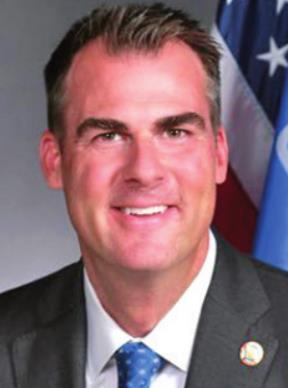
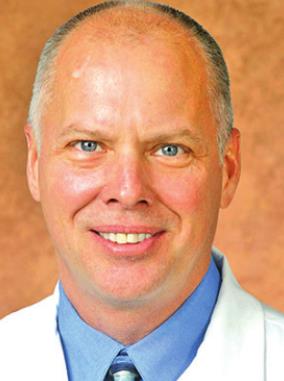
Gov. Kevin Stitt and the Oklahoma State Department of Health unleashed a new policy on how schools quarantine students potentially exposed to COVID-19.
On Jan.12, Stitt held a conference announcing that the mandatory two-week quarantine period no longer had to be done for students who had been potentially exposed to COVID-19 so long as the school is following safety protocols and the student(s) shows no symptoms.
Stitt alongside Commissioner of Health Dr. Lance Frye spoke about the importance of getting students back into schools as well as stating that schools have proven to be one of the safest places for most students.
“We need to put our students first, and we need to get them back in class,” Stitt said. “Refusing to offer in-person school is jeopardizing our kids’ education, it’s jeopardizing teachers’ careers; and it’s jeopardizing the future of the State of Oklahoma.”
Cordell Superintendent Brad Overton said that as of now a student is quarantined if he or she has been in close contact with someone who has tested positive for COVID 19. Close contact means they have been within six feet of the person for 15 minutes.
Cordell Schools is one of many schools looking to get more guidance from the Oklahoma State Department of Health on how to best handle the situation with regards to Stitt’s announcement.
“We have to be careful that we follow the law, CDC guidance and all of that. As of right now, I’m not changing anything in the way we’re quarantining students,” Overton said. “That might change in the next few days as we can get guidance and figure out what’s best to do.”
Overton keeps his teachers in mind with these new options from Stitt. He suggests that teachers will likely be hesitant if all of a sudden their students are no longer being sent into quarantine.
In speaking on Frye’s statement about schools being the safest place for most students, Overton said he agrees. He also said the social, and emotional part of students being in school right now is important.
Cordell Schools will continually look for guidance from the CDC and the State Department of Health in assessing how to best handle the potential changes.
This move by Stitt seems to have surprised many educators across the state, including the State Superintendent Joy Hofmeister with her office saying it was unaware of Stitt’s plan and not asked for input.
Hofmeister disagrees with Stitt’s decision.
“The governor, nor myself, are public health experts. We need to rely on those tested recommendations and not veer from them, especially at a time where we have such heightened spread and surging daily positivity rates that are stressing our hospitals. That is not the time to drop safeguards or experiment.”