
Cordell woman works toward becoming a certified doula
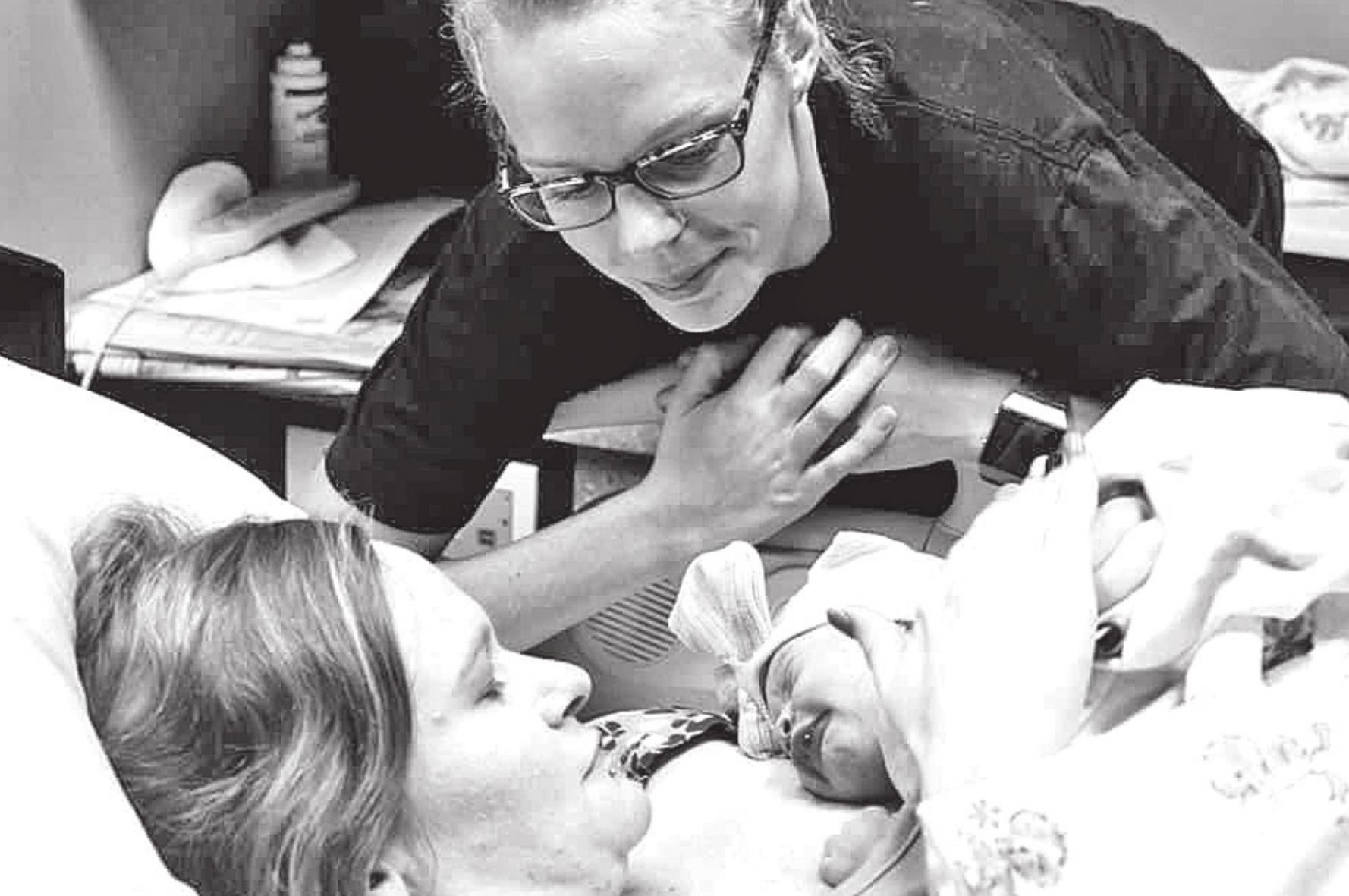
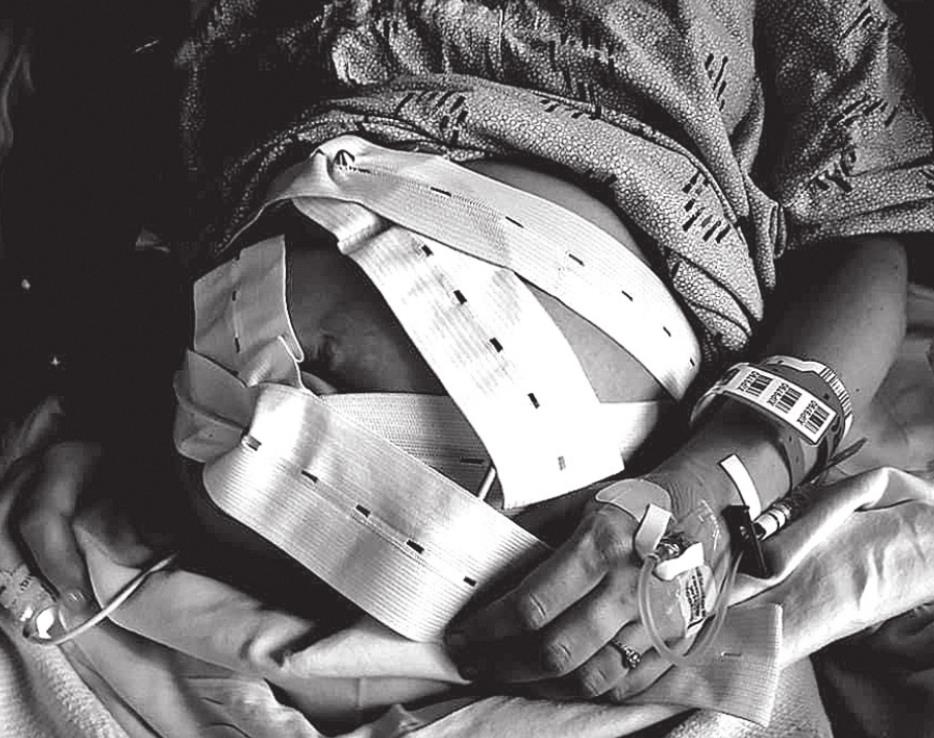
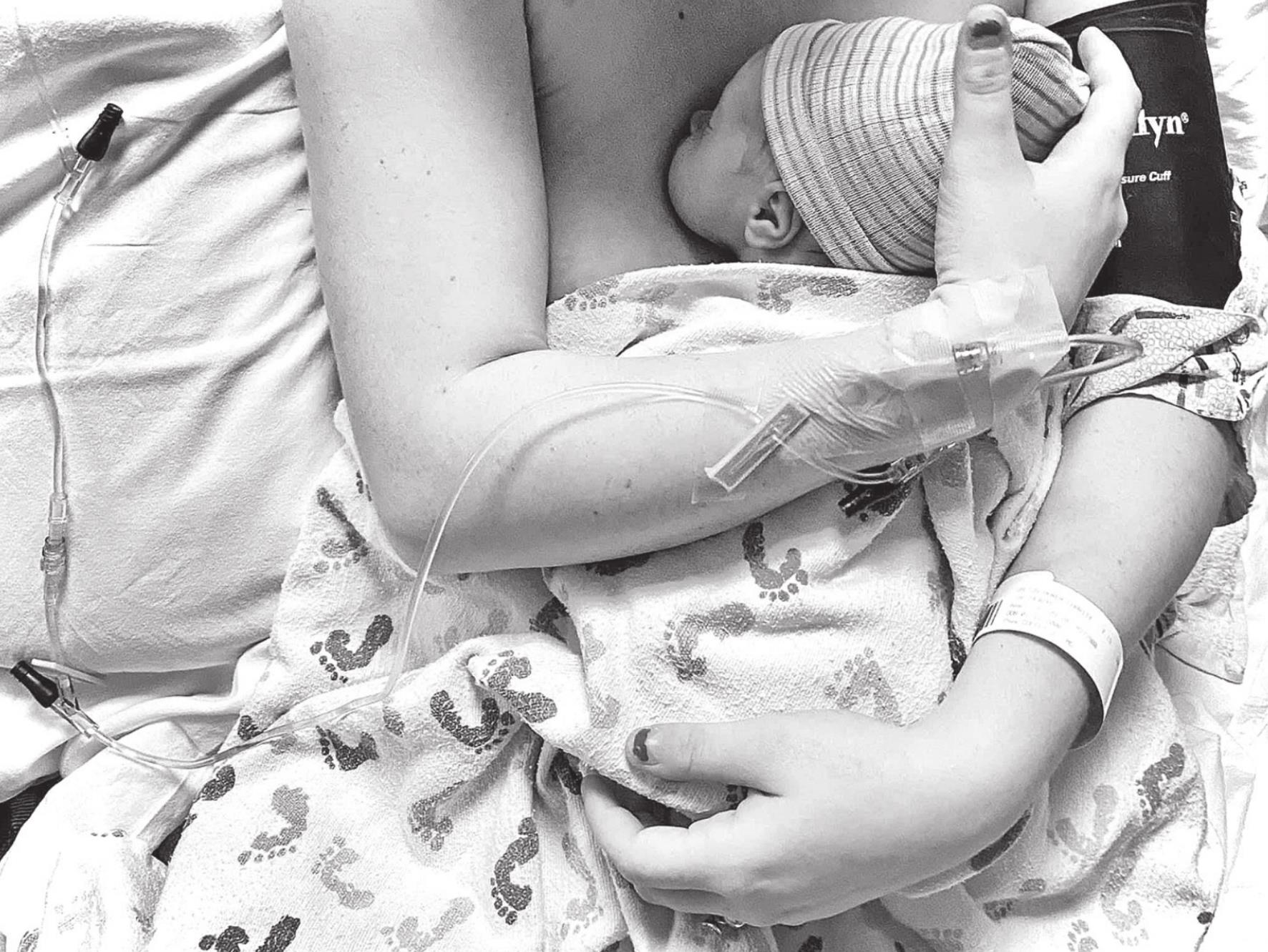
Mariah Hanson comforts women in one of the most emotional moments of their life.
As a doula, she gives women emotional and physical support during the birthing process.
“Birth can be very scary, but it doesn’t have to be,” Hanson said. “And, it’s a very natural process. It’s extremely impactful.”
Part of Hanson’s mission is to make sure the birth is positive for her clients.
“When a woman goes through labor and they have a baby, that’s something that sticks with them for the rest of their lives,” she said. “Whenever they have a very negative experience from it, that’s trauma that they carry with them for the rest of their life.”
Every birth is amazing in its own way.
Even 52-hour marathon births.
Hanson was with a client for every step of that marathon birth.
They thought the birth would be routine and quick like her previous birth.
“Within three hours of her acknowledging that labor had started, she was giving birth and her mother-in-law actually delivered the baby in the house because they couldn’t make it to the hospital. It happened so quickly. And then our next one was 52 hours. Just kind of crazy, not predictable,” Hanson said.
She survived that marathon session by taking power naps.
But Hanson did exactly what a doula is supposed to do.
What is a doula?
A doula a trained professional who provides continuous physical, emotional and informational support to a mother before, during and shortly after childbirth to help her achieve the healthiest, most satisfying experience possible, according to dona.org, which is the world’s largest doula certification organization.
Hanson became intrigued with the birthing process four years ago when she attended her sister-in-law’s birth.
“She wanted to have a 100% natural labor,” she said. “It was really mind blowing to me and very inspirational and a very powerful experience to watch somebody go through something.”
That birth was her sister-in-law’s first child, and it had a lasting impact on Hanson.
She realized that was something she wanted to do.
“I wanted to be able to support women and their partners to make sure that their births worked, not something that they had to recover from mentally and emotionally,” she said.
At that point, she had not ever heard of doulas, she said. She knew she had a new-found passion, so she set out to learn as much as she could.
She found an intensive workshop. It was then, at that course, where she learned the tools of her trade.
Important tools, like what she could do for laboring women: Statistics, methods to help with pain relief, a woman’s rights when she’s in the hospital, the ins and outs of pregnancy, labor, delivery, breastfeeding and postpartum care.
“I tell people that I’m like a glorified labor coach, but it’s much more extensive than that because I am educated on all the aspects of labor and your rights in the hospital, all that good stuff,” she said.
The certification process to become a doula is tough.
A prospective doula has to complete her training, manage three births (complete with accompanying paperwork from a nurse or doctor and client). And the prospective doula had to write an essay on what it means to be a doula.
And 152 pages for a certification packet.
“You have to read so many books, take a test, do the births,” she said.
The paperwork the doctor or nurse fills out will rate the prospective doula, lets them know what they were good at or what they may need improvements on.
“I still like to give the evaluation pages out to people just for positive feedback or even negative feedback. See what I could do different. Just things like that.”
Once you do the required three births, Hanson said, a doula basically completes her packet.
Hanson’s sister, Amanda Morris, gives her a great recommendation.
“She was very calming,” Morris said. “She helped me stay calm and made sure I was comfortable. She let me know I have choices through all of it.”
And, she handled crisis really well, too, Morris said.
“When my son was born not breathing, she stayed right be me and helped me to not freak out. She just kept telling me everything will OK.”
And, thankfully, everything was OK.
Still work to do
For Hanson, she’s completed pretty much everything except for the paperwork.
There were a couple of wrenches thrown into the process.
Hanson’s young daughter was diagnosed with diabetes. She had to take time to really learn about the disease and how it would change their lives.
“It kind of put a hold on everything for me for a little while,” Hanson said.
How could it not?
When her daughter was diagnosed with diabetes, it took a toll on Hanson, she said. Her daughter was diagnosed when she was 15 months old, and she had diabetic ketoacidosis.
“She was almost dead by the time she was diagnosed,” Hanson said, her voice chock full of emotion. “It was a very traumatic experience for me. I put my doula business on hold for eight or 10 months where I just didn’t even do anything with it at all.”
Anxiety and depression creeped into her life.
“But ultimately I think that it’s helped in some ways, little ways, like, you know, being up every two hours to check her blood sugar, to make sure she’s OK,” Hanson said. “And just being able to function on a little bit less sleep. I’ve learned a lot medically about diabetes now because of it.”
Hanson is now putting her services out there again, slowly, and kind of leaving her daughter for small periods of time, she said.
“She’s only 3. She doesn’t know how to take care of herself, and it’s sometimes hard to find somebody that’s willing to learn and take care of her properly, too. It’s definitely been challenging.”
If that wasn’t tough enough, along came COVID-19.
The virus changed a lot of things, and hospitals had to adjust to keep patients safe.
“A lot of hospitals changed their policies and everything like that where they only allow one person in the birthing room. And of course, most women want their partners there, wich is understandable,” she said.
So COVID-19 also affected Hanson negatively.
“I’m really hoping that hospitals change their policies a little bit and at least allow doulas to be there. We can help a lot, especially right now with COVID,” she said. “It’s a pretty scary time to be having a baby. And I think it’s very important for women to have someone there with them that can help educate them and just support them so that they don’t feel so alone in it.”
The future
Hanson knows she needs to buckle down and finish her paperwork. She has bigger goals to achieve.
Her long-term goal is to become a mid-wife.
That in itself will be a challenge for Hanson.
It could include nursing school and midwifery school, ambitious and challenging for sure.
But that’s for the future. For now, Hanson still has a passion for being a doula.
One thing she does is help teen moms.
“I actually offer free services to teen moms,” she said. “I know that’s a very trying time.”
In her training, Hanson learned teen moms get treated poorly on labor.
“That’s why I started offering my support. Plus they’re young. They don’t know as much as they need to,” Hanson said. “They probably do not know their rights in the hospital. They may not even know what kind of birth they want to have and need help building a (birthing) plan that suits them.”
A birthing plan, for any mom, can include things like whether a mom will want epidural, whether they plan to breastfeed, or what happens when the water breaks.
“If they want to labor out of bed some hospitals offer water tubs for women to get into,” she said. “There’s an array of things. I just basically go through it. I give them the pros and the cons. I try to give information that is not biased in any way, because I want them to have the birth that they want and what makes them comfortable. I don’t put my beliefs onto them, and I don’t make them feel like they should do one thing more than another.”
Another important aspect for Hanson is that she likes to help people.
Hanson’s generosity isn’t a surprise to her sister.
“She’s one of the most selfless people I know,” Morris said.
COVID-19 was a tough cookie for Hanson, but she learned to deal with it in different ways.
“When COVID happened, I kind of had the realization that I wasn’t going to be able to help people by being a doula and supporting them in that aspect,” she said. “I just started racking my brain for other things that I could do to help give back to my community.”
That’s when she came up with the idea to accept donations. She will collect almost anything related to the birthing process and get items into the hands of the people who need them.
That could be maternity clothes, baby items like car seats, formula or diapers, random things like a bouncy seat, a swing, just about anything someone might need.
“I always have so many moms asking me, ‘Hey, do you know where I can get this? Do you happen to have this, you know, I really need this for my baby.’ And maybe they were too embarrassed to post and ask them for themselves because they didn’t have money or whatever the reason,” she said.
She became the central depository for those items. A lot of people have baby stuff they want to get rid of, she said.
“I just decided I’ll take it. I’ll keep it all in my garage and let everybody know. So my garage is somewhat of a mess, but that’s OK. I don’t mind. It’s, you know, it’s just a way I can still do something and give back,” she said.
More Info
For more information or to contact Mariah Hanson, check out her business Facebook page.
Did You Know?
When a birth doula is present in the labor room, there’s a:
- 34 percent decrease in the risk of being dissatisfied with the birth experience
- 31 percent decrease in the use of a Pitocin
- 50 percent decrease in the risk of a C-section
- 14 percent decrease in risk of the newborn going to NICU.
- 12 percent increase in the likelihood of a spontaneous vaginal birth.
- 30 percent decrease in the use of any medications for pain relief
- 25 percent shorter labor
- 60 percent reduction in epidural requests
- 40 percent reduction oxytocin use
- 40 percent reduction in forceps delivery
— Stats from the International Doula Institute