
The coronavirus, or COVID-19, has all but monopolized nationwide and global news media for the past several weeks as the virus has spread from China into Europe and the United States. The reaction, both public and official, to the spread of the virus has run the gamut from disbelief to outright panic.
As of press time Monday, March 16, the President of the United States has declared a national emergency. Several state governors, including Gov. Kevin Stitt of Oklahoma, have followed suit and declared emergencies in their states. But what does that really mean in the day-today lives of Oklahomans?
A declaration of emergency, be it at the municipal, state, or federal level, is not a sign that it’s time to push the panic button. The overwhelming majority of emergency declarations, including ones related to COVID-19, are procedural; they trigger the release of resources reserved for emergency and the implementation of laws specifc to emergency situations.
At the federal level, that means funding. The U.S. Department of Health and Human Services is currently in the process of allocating funds to various state agencies to help curb the spread of the virus and to treat those impacted. The Department of Commerce is rolling out various stimulus programs to help businesses impacted by the virus. At this point, it is still unclear exactly how those stimulus dollars will be allocated, but a small business loan program is already in place. Up-to-date information is available through the Oklahoma Department of Emergency Management.
“President Trump’s national emergency declaration provides the federal government additional resources to continue to respond to the coronavirus and remove unnecessary barriers to receiving access to care,” said Sen. James Lankford in a prepared statement. “Yesterday, I expressed my frustration to the Administration on the lack of communication and availability of testing. Today, I was encouraged by the public-private partnership to speed up the ability to provide tests to Americans who need them and have additional access to get tested through a drive-up clinic in the days ahead.”
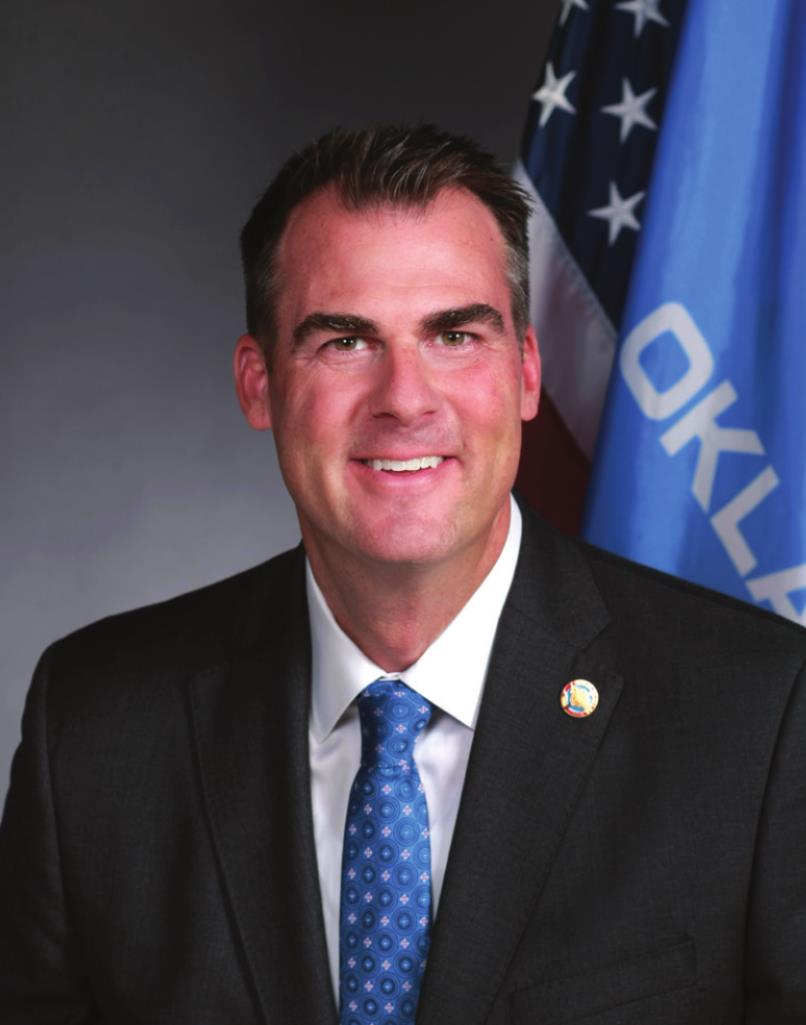
At the state level, Gov. Stitt’s declaration makes Oklahoma’s 77 counties eligible to receive both state and federal support. It also allows state agencies to make emergency purchases of materials and supplies needed to combat the spread of the virus and allows small businesses to apply for emergency low-interest loans.
“This emergecy declaration allows us to continue to be proactive in our response to the spread of COVID-19,” Stitt said. “I want to encourage all Oklahomans to remain calm and make wise choices based on your health and risk level. Pay attention to how you are feeling and stay home if you are sick.”
Colleges and universites across Oklahoma have taken action in response to the spread of the virus. Oklahoma State University, the University of Oklahoma, and Southwestern Oklahoma State University, among others, have announced the suspension of in-person classes for at least two weeks following the end of spring break on March 23. They are transitioning all classes to an online learning environment.
Burns Flat-Dill City Public Schools postponed all parent-teacher coferences scheduled for March 12 after reports surfaced of a confirmed case of COVID-19 at Altus Air Force Base, where the school’s fifth graders were attending a program. Base officials confirmed the individual had been quarantined and there was no chance of the students being exposed.
Cordell Public Schools issued a statement that the situation is being monitored during the spring break.
“The school will continue to monitor the spread of the virus,” the statement read. “If the health threat to the community or school changes, additional measures will be taken.”
Update: The school situation changed Monday, March 16, when the Oklahoma State Board of Education held an emergency meeting and announced the closure of all public schools until April 6, 2020.