
The Cordell municipal ambulance service took another step toward dissolution last week, as the city council voted to not only continue searching for a replacement service but also to explore the possibility of handing the service off to Washita County.
During a special meeting held Thursday, Aug. 6, at which no public comment was allowed, the council members heard from their accountant, Russ Meacham, who told them the city had taken a loss of $627,000 on the operation of the muncipal ambulance service over the past five fiscal years. Meacham said that figure was reached by taking revenues received from ambulance billing and subtracting operating expenses, including reclassifying the EMS director’s salary.
“The operating loss of $627k was derived from the following, revenues collected from ambulance runs and subtracting operating expenses directly attributed to the Ambulance department (which includes a reclass of the EMS director’s salary from the Fire department to the Ambulance department as originally coded by management). The $627k was subsidized by a monthly fee on the utility bill, $493k, grant revenue, $6k, and general fund revenue,” Meacham wrote in an email to The Beacon.
The numbers given by Meacham, however, don’t match the official financial reports provided by the city in response to a public records request.
According to the financial statements for fiscal years 2016-2017 through 2019-2020 (a request for the 2015- 2016 fiscal year statement was not fulfilled as of press time), the city spent a total of $587,584 on the ambulance service over the course of the past four years. The city also collected, during that period, $305,817 in ambulance service revenue and an additional $381,577 from the ambulance fees attached to every Cordell resident’s water service. Based upon those figures, the city collected $687,394 in fees and service billing and spent $578,584, creating a positive cash flow of $108,810 over the past four fiscal years.
The only fiscal year of those four in which the ambulance service actually expended more than the amount collected for utility and service fees was the year ending June 30, 2017. In that year, the ambulance department accounted for $200,222 in expenditures ($13,802 less than the council-approved budget) while collecting $197,005 in billing and utility-based revenue, for an operating loss of $3,137.
More recent trends paint a much different picture that what Meacham described to the city council.
In the 2018-2019 fiscal year the city received $77,689 from ambulance billing and $93,003 from meter fees, for a total of $170,692. The department spent $116,454 (of a $148,529 council-approved budget), for a gain of $54,238. In the fiscal year ending June 30, 2020, $66,548 was collected in service revenue, plus $97,724 in meter fees, adding up to $164,272. Expenditures totaled $118,864 (against a $125,884 budget), for a net gain of $52,408.
Those figures do not include the reclassification of the EMS director’s salary. Former EMS director Devin Humphrey was paid out of the fire deparment budget, which was approved by the city council. He also served as the city’s assistant fire chief. When he assumed the EMS director’s duties, his salary was increased from $35,000 to $40,000 per year, but he lost his shift pay and ambulance run pay, which he estimated at between $12,000 and $14,000 per year. Sometime later, his salary was increased by another $6,000, to $46,000 annually - a total increase of $11,000 over his fire deparment pay, but he still lost between $12,000 and $14,000 in additional pay.
Neither Meacham nor any city official addressed the costs associated with privatizing the ambulance service. The only proposal the city council has entertained to date, at least in a public meeting, came from Pafford EMS. Under the terms of their proposal, the city would subsidize the company to the tune of $240,000 per year - with no return on billed service. Over a five-year span, that contract would cost the taxpayers of Cordell $1.2 million, almost double the amount Meacham claimed the current service was costing the city.
Meacham also floated the idea of creating a 522 Ambulance Service District, an item that was, like the rest of Meacham’s presentation, was not listed on the meeting’s agenda. He told the council the county is legally required to provide an EMS plan, but not necessarily required to provide the service.
The 522 is a special service district that is created by a vote of the people along either county or school district boundary lines. The district is financed by ad valorem (property) taxes of up to three mills, or three dollars per thousand dollars of taxable value each year.
Meacham told the council members that if a 522 district was created, they could then divert the monies collected for ambulance service on water meter fees to other city uses.
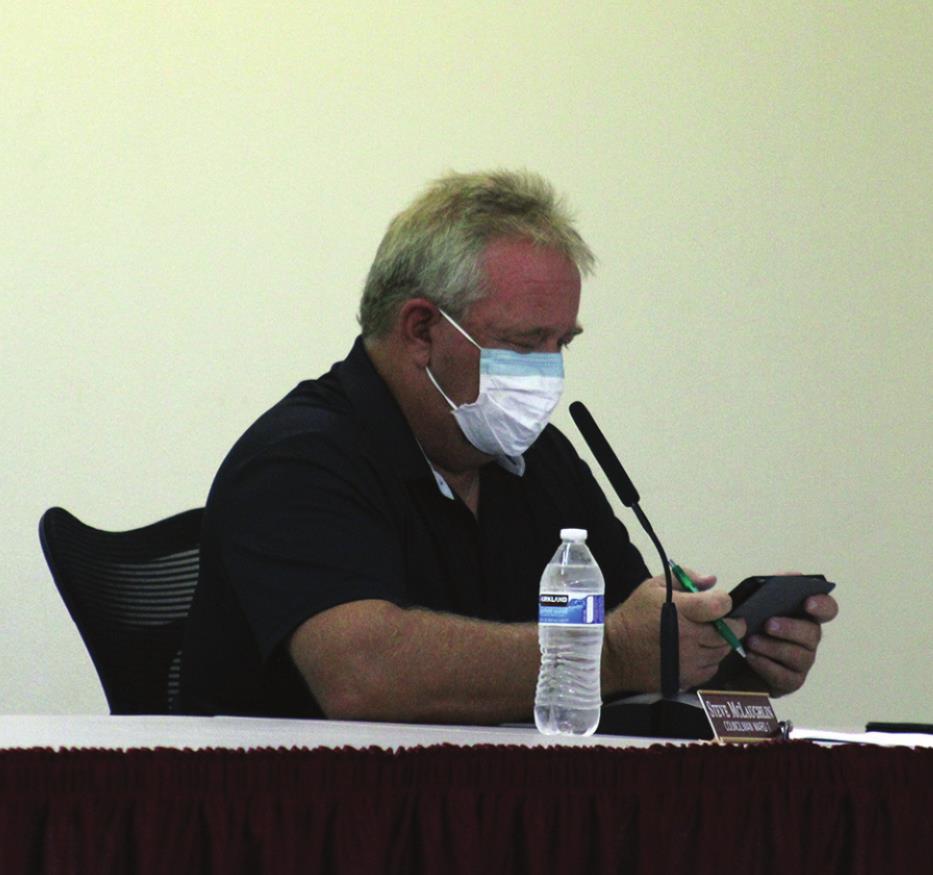
Council president Steve McLaughlin seized the opportunity to move the council’s discussion in that direction, making a motion to push the ambulance service off to the county.
“We’ve done five years and we’ve lost $627,000,” he said. “We’ve went through three directors and it hasn’t worked. I’m saying, I’m saying we let the county have it. I’ll make that motion that we let the county have it. We can’t do it.”
Neither McLaughlin nor any other council member provided specific issues with the ambulance service.
Mayor Jerry Beech interjected at that point, saying the idea of giving the EMS department to the county didn’t fit within the bounds of the agenda and hence could not be considered. McLaughlin then rephrased the motion to continue the search for an ambulance service provider and form a committee to discuss handing the service to the county.
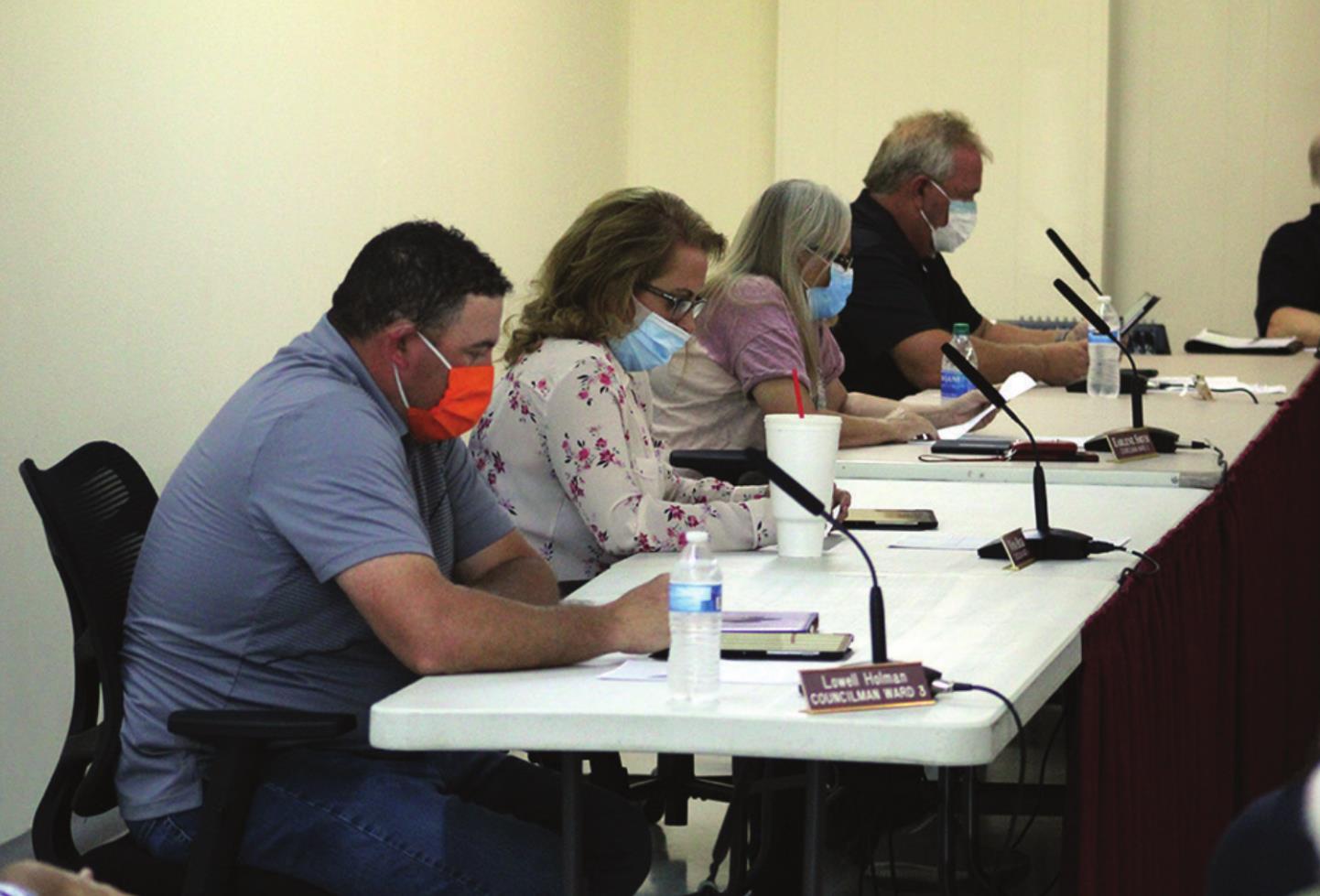
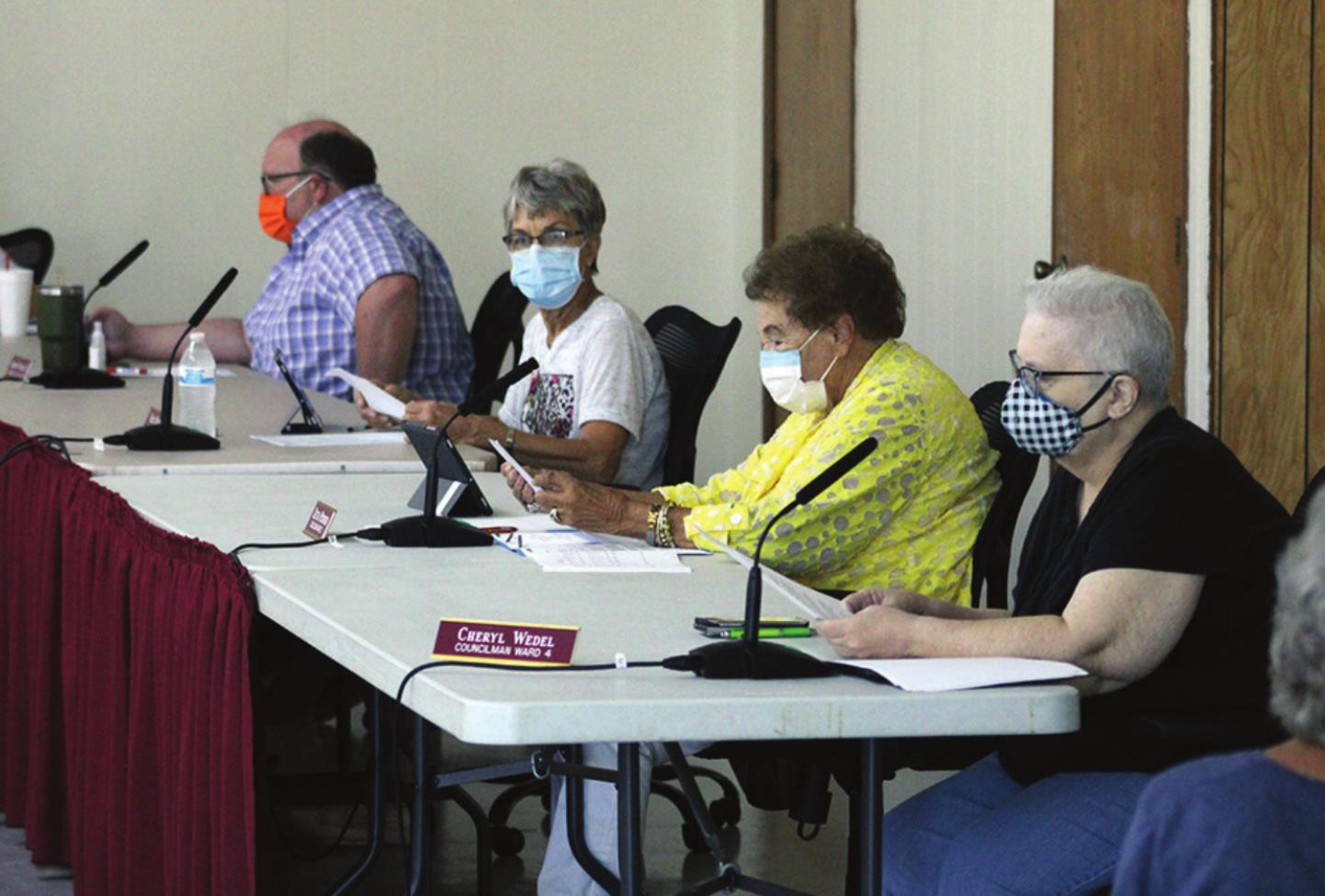
The council vote on the motion was tied, 4-4, with members Buddy Holman, Zetta Penner, Earlene Smith, and James Newman voting against the motion and McLaughlin, Vona Hicks, Vicky Dunlap, and Cheryl Wedel voting in favor. Beech broke the tie and the motion passed.
After the vote, the council moved to executive session to discuss the mayor’s decision to fire EMS director Devin Humphrey. The council discussed the matter among themselves for nearly an hour before inviting Humphrey in to make his case.
Following the executive session, the council voted 5-3 not to rehire Humphrey. Holman, Smith, and Penner voted to rehire, McLaughlin, Dunlap, Hicks, Wedel, and Newman voted against.
The Washita County Board of Commissioners took up the discussion at their weekly meeting on Aug. 10. In attendance were representatives from Cloud Chief, Cordell, and Burns Flat fire and EMS, who expressed their questions and concerns about the city’s move.
Among the concerns discussed was what would happen if the voters chose not to approve the creation of a 522 district, as happened when Sentinel dissolved their ambulance department in 2017. Who, then, would provide EMS coverage for Cordell and the surrounding areas?
Another concern arose around the funding mechanism. The use of a property tax instead of the current sales tax would place a much higher burden on the backs of rural farmers and ranchers, as they, generally speaking, own much more land in the county than city residents.
Nocona Cook, Cloud Chief Fire Chief, said the situation also bothered him because the city wasn’t considering the needs of people outside of Cordell who pay a county sales tax to support the ambulance service. Those out of town residents also pay a higher rate than Cordell residents when they call the ambulance. He said it felt like the council was abandoning the people.
“Basically, the City of Cordell is throwing everyone else under the bus right now,” he said to the commissioners.
After listening to the firefighters explain their concerns and ask their questions, County Clerk Kristen Dowell said she’s try to get a meeting this week with the district attorney’s office to clarify some of the legal issues the situation has brought to light. The commissioners took no action on the matter, saying they wanted to wait for solid information before jumping into the matter.