

The impacts of the COVID-19 pandemic are being felt in virtually every segment of American life, from school to work to daily interaction with family, friends, and neighbors. It's affected just about every sector of the United States economy, but possibly none more than the food supply and the beef market.
Consumer prices for beef in America have been rapidly increasing since the beginning of the pandemic, but the prices paid to ranchers has been steadily decreasing. There are a number of reasons for the apparent contradictions in the beef market, even beyond the COVID-19 pandemic, including an overabundance of cattle in the supply chain and the diminished capacity of meat processing facilities in the U.S. - partly due to reduced workforces during the pandemic. This has led to a situation where there is a far greater supply of cattle than there is demand in the processing industry, creating a dramatic drop in prices for cattle, but an increase in prices for the beef products being produced.
The growing disparity in the meat processing industry has even sparked an investigation by the United States Department of Justice. Last month, the DOJ issued subpoenas to JBS USA Holdings Inc., Tyson Foods, Inc., Cargill Inc., and National Beef Packing Co., some of the largest beef processors in the nation, accounting for 73 percent of the country's beef processing capacity.
One way consumers can both take advantage of these market conditions and help America's beef producers is to switch their buying habits away from already processed beef to purchasing directly from local ranchers.
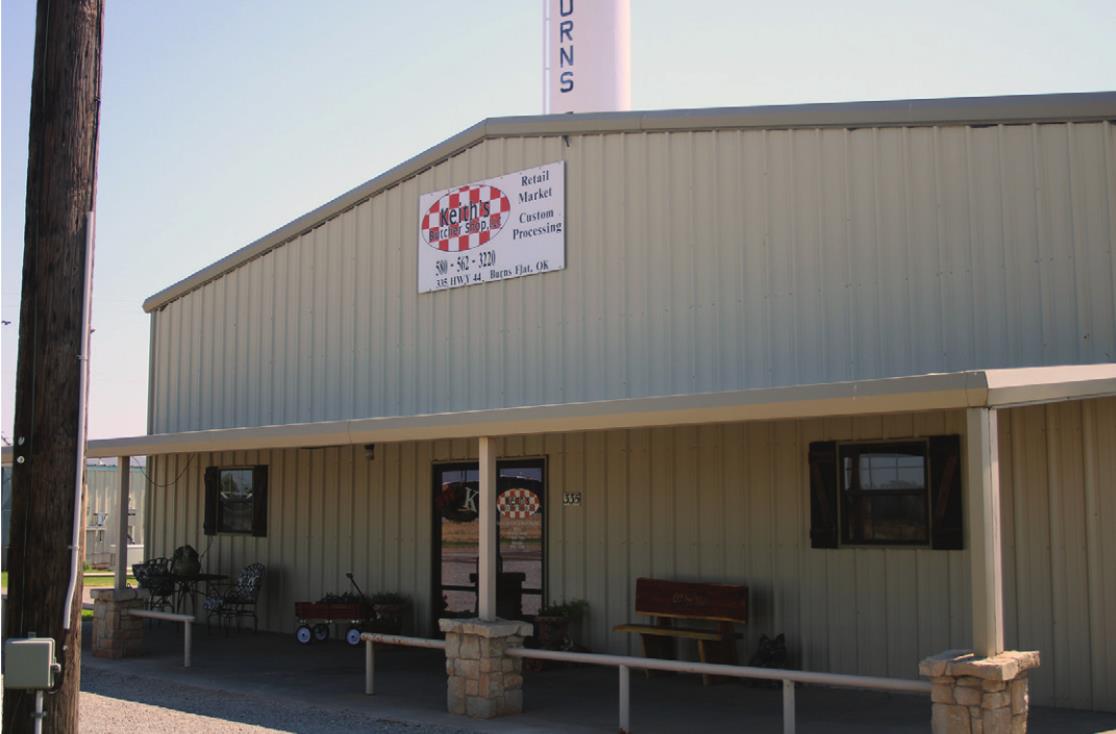
Local butcher Keith Schneberger, who owns and operate's Keith's Butcher Shop in Burns Flat and Elk City, says he thinks a large part of the problem is stemming from the large processors cutting down on their manpower, and the resulting decrease in processing capacity.
Keith's Butcher Shop provides both custom meat processing and a regular retail market, but Schneberger said about 80 percent of his business is in the custom processing end.
The fluctuations in the commercial processing industry haven't hurt him. "As for us, we've never been busier," he said.
The market changes have convinced more people than ever before to purchase their beef directly from local ranchers, which costs less in today's market and also helps put more money into the pockets of local beef producers instead of corporate meat packers.
Schneberger said there are several other advantages in dealing with local ranchers. Buying locally, he said, lets consumers know exactly where their meat is grown and processed, and helps people ensure they are buying healthy, high quality meat for themselves and their families.
Many local ranchers, he said, sell cattle by the halves and quarters, then transport them to the local butchers for processing when they are properly matured. Many people, he said, go in with friends or family to purchase a whole beef and then split it up after it is processed.
The drawback, Schneberger said, is that smaller custom processors, like him, are now booked out extremely far in advance. He said he's now booking work for July and August of 2021.
Reports from custom processors around Oklahoma confirm that Schneberger is not alone, most processors are booked out beyond the end of this year and into 2021. He said this backlog has come as a surprise to him, but he expects it to normalize sooner or later.
"It's not good, it's just part of farming and the cattle market," he said. "I'm sure it'll get back to normal sooner or later. I didn't think it would last this long and I don't know how long it's going to last, but I'm ready for it to be over."
Schneberger advises anyone interested in purchasing directly from local ranchers to check with custom processors first, both to confirm schedule availability and to get recommendations about local beef suppliers. The Oklahoma Cattleman's Association maintains a list of members who sell beef directly to the public. That list is available on the organization's website at www.okcattlemen.org.