There is a saying in recovery, “the opposite of addiction isn’t sobriety, it is connection.” Most people can relate to this statement whether they have had a substance use disorder or not.
Since last March or April, many people have been practicing some form of social distancing, and collectively, I’m sure many people are feeling isolated, not connected.
Some are working from home, some are avoiding social gatherings, and some are sequestered from family, hoping that all may stay well. We are sacrificing holiday traditions, sporting events, school activities, church attendance, concerts, parties, and business as usual to stay well – and we are lonelier than ever.
While this distancing is necessary, it is OK to recognize that we are social beings and that we desire social interaction. We know that isolation leads to increased substance use and symptoms of depression and anxiety. How do we stay safe and protect the health of others while addressing the need to be social and feel connected?
I do not pretend to be an expert on these things, but I have learned ways to cope and offer a few suggestions:
• Text or call friends or family to check in.
• Be creative! Arrange a video or Zoom call to have safe interaction with others
• Get outside! Plan an outdoor activity where it is safer to gather. The CDC website offers guidance on safely gathering and other COVID-19 related matters at https://www.cdc.gov/ coronavirus/2019-ncov/ index.html
• Play games with your children, start a new project (or finish an old one), or study up and practice a new (or old) hobby.
• Be gentle with yourself. Personally, this is my first global pandemic and my primary goal is to survive it, even if that means I am less productive than normal. Take care to eat well, sleep enough, maintain a routine, and listen to the needs of your mind and body.
• If you are experiencing symptoms of anxiety or depression, or increased use of any mind or mood altering substance, reach out for help. Many of our local mental health agencies provide telehealth services on a sliding scale pay basis. You can find certified mental health providers in Oklahoma by navigating to the Oklahoma Department of Mental Health and Substance Abuse Services webpage at https://www. ok.gov/odmhsas/
Now is the time to get or stay well and survive these unprecedented times, and we need each other to do that. Know that many people are struggling and there is no shame in reaching out or getting help. This pandemic will not last forever, and our mental wellness is worth tending.
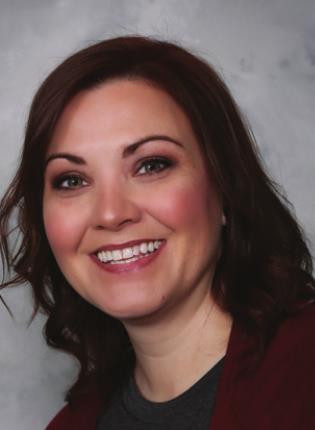
Sarah Mears-Ivy brings 12 years of experience in the field of human sciences and advocacy.