
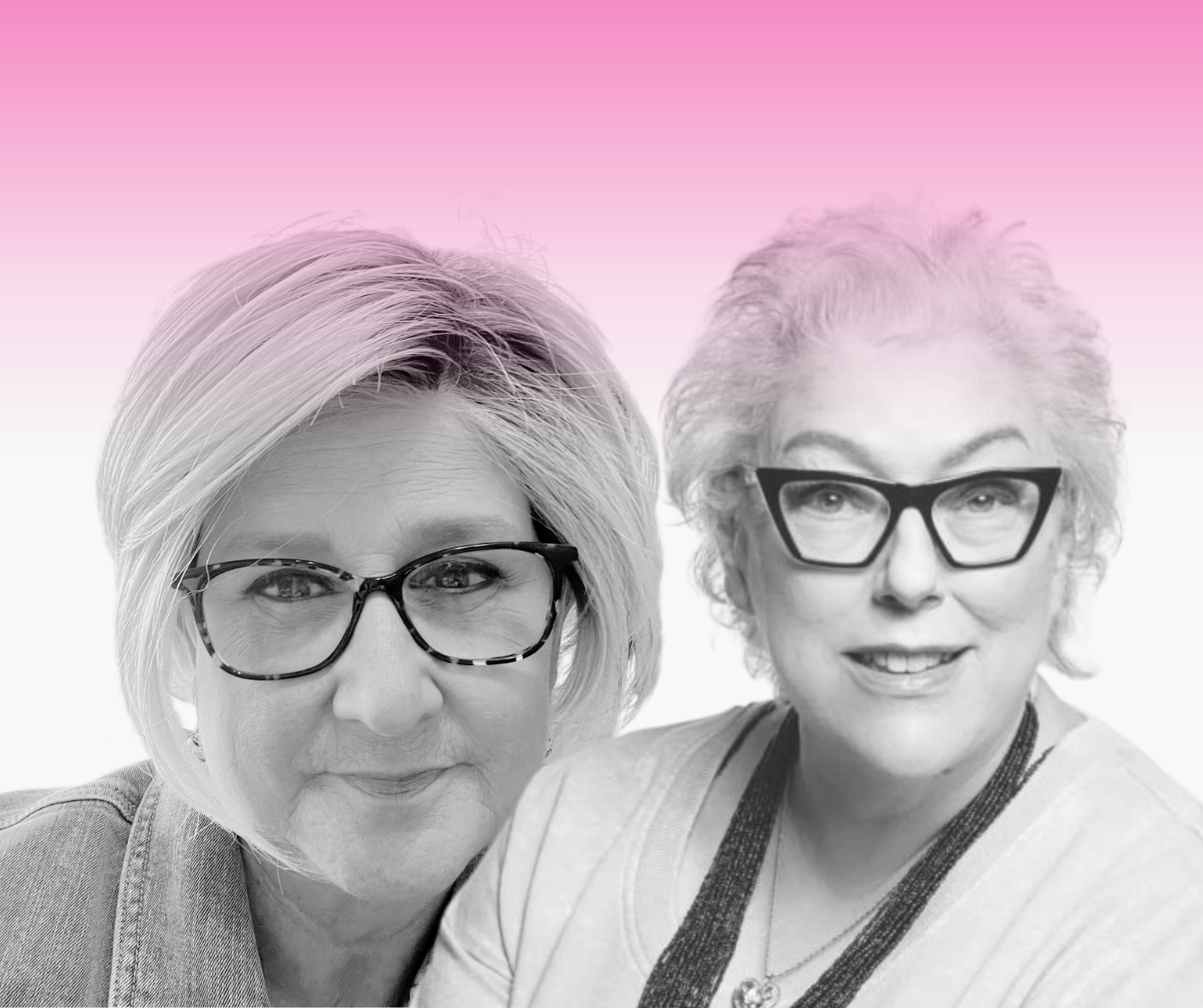
As many know, October is Breast Cancer Awareness Month. According to research from the American Cancer Society, 1 in 8 women will be diagnosed with breast cancer in their lifetime.
It is a disease that can change your life rapidly before you even have the time to process and prepare. The life you once knew and were so familiar with is gone and you’re faced with a jarring reality and a long journey ahead. Two strong, beautiful local women, Gail Wilcox and Kellie Pearson, shared their personal experience with breast cancer and the way it molded them into the survivors they are today.
“It gives you a different perspective on life, I think. What was important was no longer important, and a new set of factors came along. Those times with my family were very important. First of all you cry. I cried like a baby for hours. Then I felt sorry for myself. Then you get to anger and then you have to fight. I fought and I fought hard,” said Wilcox, Cordell Nursing and Rehab Administrator.
Yearly mammograms were nothing out of the ordinary for Wilcox, until one mammogram called for concern. Having no family medical history of breast cancer, or anything of the sort, she thought, “I’m good. This is nothing to worry about. Until it wasn’t. I had just started working at Cordell Nursing and Rehab. It was heaven, my dream job, and then all of this happened.”
She began her journey with an aggressive type of breast cancer in July of 2019. As devastation set in, so did her strengths.
“I was blessed throughout that journey. I would have chemo on Thursday and come back to work on Friday. I was not really ever sick and a lot of people get very sick. I did chemo from October through March. In May I had a lumpectomy and started proton therapy at the Cancer Center in Oklahoma City. That was every day for six weeks.”
Oklahoma Proton Center later reached out to Gail, after choosing her to share her story in a commercial about proton therapy and why she chose it. Wilcox stated that it was an honor to have been chosen and an opportunity for her to help more people.
How did you keep that fighter mentality and what is your advice to those struggling to keep going?
“I guess I learned a lot of that from my dad. He would always say, ‘there isn’t anything you can’t do’ and that rolled over into fighting cancer. I knew I could do this. I can’t express the devastation that cancer brings. You know, we’re all strong until we get this diagnosis. I was devastated because I wasn’t ready to fight. We don’t get to pick our time; we don’t get to pick what day we are ready to fight. Don’t ever give up and I know that’s a cliche saying but seriously, we can’t give up. I wanted to live for my family and for myself. With the proton therapy, I told myself that I deserved to do this for myself, to make myself better. You have to stay positive. My brother said to me when I told him I had cancer, ‘well you just gotta stay positive’ and I wanted to drop kick him right there. But you do. You have to get to that point where you can fight.” Kellie Pearson is a corporate nurse with Deer Creek Health Care and serves the residents at Cordell Nursing and Rehab. She was diagnosed with Inflammatory Breast Cancer (IBC) on September 29, 2017. This form of breast cancer is different and hard to find because it is not detected on a mammogram. It goes unnoticed through self exams; there are no lumps or bumps. It is the thickening of the tissues. Generally, by the time women find out they have it, it is in stage three and has spread extensively to their lymph nodes. The breast will begin to swell, similar to the symptoms of mastitis. “When I first noticed the swelling, being a nurse, I self-treated. The swelling went down a little bit but it came back and I had some discoloration of the breast. There are two places in the US that only specialize in IBC, one being MD Anderson Cancer Center in Houston, Texas. I sent them some pictures on a Sunday night and Monday morning they asked if I could be there tomorrow. I flew to Houston. Everything happened so quickly it just doesn’t seem real. I had my diagnosis that afternoon. Mine was very very advanced when it was found,” stated Pearson.
Her treatment consisted of one type of chemotherapy for 12 weeks. Following that course of treatment, Pearson would do every other week for four times; flying to Houston, then back to rest and work. This routine lasted until her second round of chemo called Doxorubicin or better known as the red devil.
“They call it the red devil and it was the devil. It made me extremely sick. I was practically bed bound. I lost 52 pounds in the matter of eight weeks and I was in the hospital for five days. They didn’t think I was going to live but I pulled through. I waited four weeks and then I had a left radical mastectomy. I had the most amazing surgeon and team. I lived in Houston for seven weeks while I did daily radiation. I took a year off to regain my strength back.”
As some may know, most hospitals offer training videos for patients after they’ve had a surgical procedure and how to properly take care of it. While Pearson was going through treatment after her surgery, MD Anderson reached and said her surgeon had recommended her to help with a training video on how to take care of post-surgical drains. She said this was a way for her to give back and be an advocate and to help teach women.
“In August I was going for my yearly positron emission tomography (PET) scan, just one month shy of my five-year mark clear, and found out it has metastasized. So I am fighting again. It is on my left adrenal gland. The only second case that they know of. Usually it doesn’t go there. I just had my third chemo and I go every Friday in the city. Every third week it’s three different types of chemo. You know for me I thought being strong was working every day, not showing that you’re sick. I’m learning now that being strong is saying ‘hey, I don’t feel good today’ or ‘hey, I need help.’ This go around is teaching me to ask for the things I need and the help I need. Because it’s harder and this time feels much different.”
What has this experience taught you about yourself and what is your advice to others in a similar fight?
“It has taught me that I knew all along it would be back. Sometimes you just know. It just taught me to enjoy each day for what was going on in that moment. Not to worry and fret. There’s always going to be some type of plan. It completely changed my outlook on everyday life. I don’t feel like I have to rush anymore. It’s not things that are important anymore, it’s time. Spend that time with your loved ones and your family, and it’s okay to spend some of that time alone with yourself. Enjoy life and enjoy the little things. Take in the smells and the sounds.”
Cancer knows no age, wealth or gender, but for patients one of the best things is loving support from family, friends, and their team of experts that help guide them. Find support or available resources to help you or someone you know receive the best quality care. Cancer’s tough, but so are you.