Self-help meetings are resources for those who are in need of support, accountability, and building a group of friends that are in recovery. These support groups are not treatment or “rehab” as is a common misunderstanding.
These meetings provide support within the community by linking individuals with specific problems to others who have some time in recovery. These recovery groups also offer some form of “program” in which an individual can work.
Some familiar meetings are Alcoholics Anonymous, Narcotics Anonymous, Al Anon, Nar Anon, Adult Children of Alcoholics, Codependents Anonymous, Gamblers Anonymous, and Overeaters Anonymous. As is evident by their names, these meetings use anonymity as means to ensure privacy and discretion when a member is seeking support for their problems.
Most meetings abide by a 12-step philosophy and include a “Higher Power” in their doctrine. This can be off-putting or even harmful to some who are non-religious, agnostic, atheist or secular; however, there are meetings available without religious approach, such as Smart Recovery, LifeRing, and WeConnect + Unity.
Many self-help programs encourage the use of sponsors within the program. A sponsor helps the person seeking help, serving as a guide to assist that person in recovery. The sponsor will help their sponsee work the steps and offers support when that person is struggling to stay well. A sponsor is typically a person of the same gender and has some experience in working that particular program and has some recovery under their belt.
Self-help recovery groups are typically free and available to anyone who is looking for help. These self-help and recovery meetings are found in most communities, online, and by phone. There are many types of self-help meetings out there. Searching “self-help meetings” or “support groups” online will reveal a plethora of resources to all kinds of meetings. In the COVID-19 pandemic era, online meetings have become safe alternatives to in person meetings.
Self-help materials are often available for use at meetings and at your public library. These resources allow the person who is seeking help to better understand their concerns as well as learn about recovery program traditions, standards, and steps.
If you or someone you care about is struggling, please know that there are others who have experienced similar issues and want to help. There are resources in your community and online. You are not alone; there is a way forward.
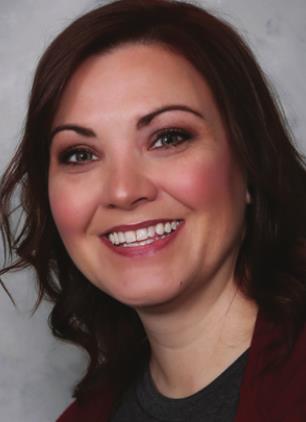
Sarah Mears-Ivy brings 13 years of experience in the field of human sciences and advocacy.